What Happens If You Eat With Invisalign In
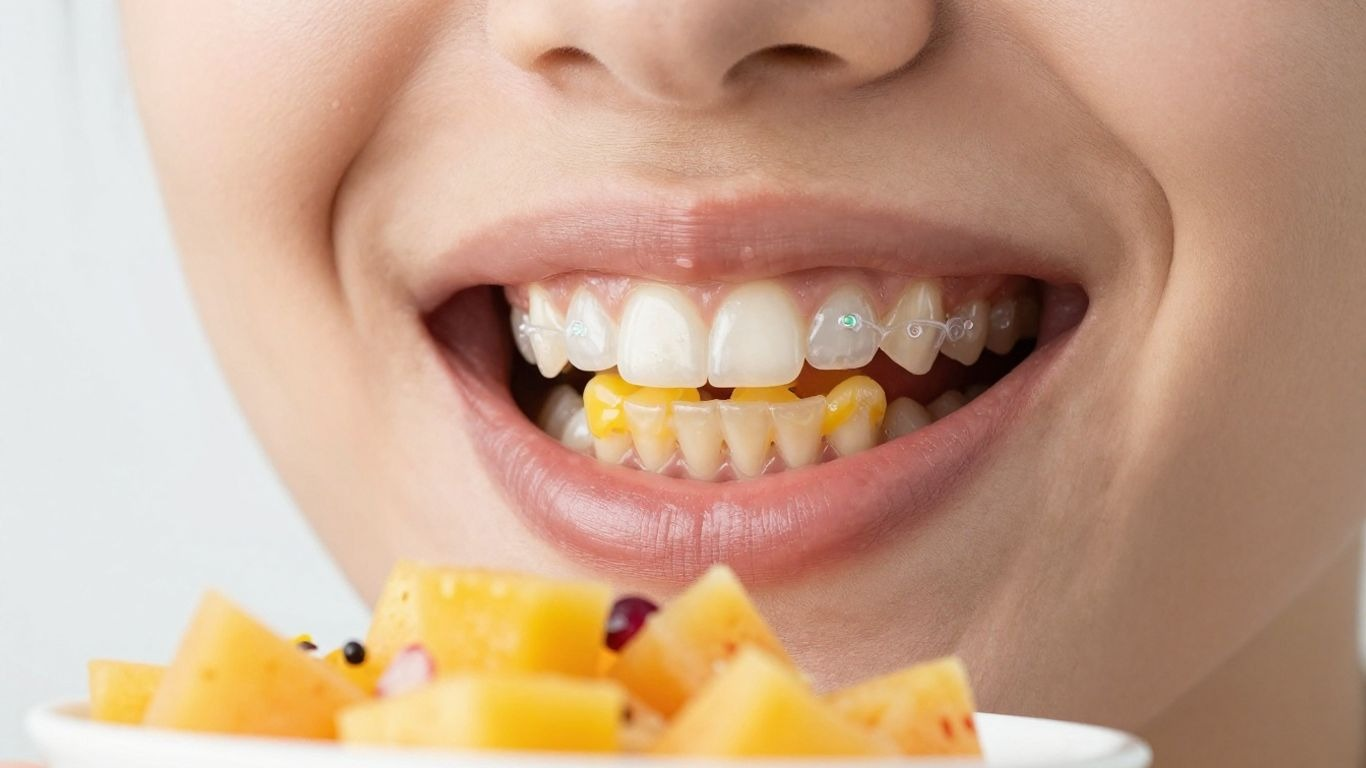
So, you've got Invisalign and you're wondering what happens if you eat with Invisalign in? It's a common question, especially when you're on the go. While the idea of being able to eat anything with your aligners out is a big plus, sometimes things happen. Maybe you forget, or maybe you're in a situation where taking them out isn't easy. This guide dives into what can actually go wrong, what you should know about the risks, and how to keep your treatment on track.
Key Facts to Know
- Eating with Invisalign aligners can cause them to crack, warp, or break because they aren't made for chewing pressure.
- Food particles can get stuck between your aligners and teeth, leading to increased risk of cavities and gum problems.
- Eating with aligners can stain them, making them look cloudy or yellow, and potentially affecting their clear appearance.
- If aligners get damaged or warped, they might not fit correctly, which can slow down or disrupt your overall treatment progress.
- While some dentists might suggest eating soft foods with aligners for convenience, it's generally advised to always remove them before eating or drinking anything other than plain water.
What Happens If You Eat With Invisalign In?
So, you're probably wondering, "Can you eat with Invisalign in?" The short answer is a big fat no. While Invisalign offers a lot of freedom compared to traditional braces, there are some rules you absolutely need to follow, and taking your aligners out before eating is the most important one. It might seem like a minor thing, especially if you're just grabbing a quick snack, but what happens if you eat with Invisalign in? It can actually cause a surprising amount of trouble for both your aligners and your teeth.
Why does Invisalign say you should remove aligners before eating?
Basically, Invisalign aligners are designed to gently move your teeth over time. They're made of a special plastic that's pretty tough, but it's definitely not built to handle the force of chewing. Think about it: you're biting down on food, and that pressure is going straight onto your aligners. This can lead to a few problems:
- Cracked or Warped Aligners: Chewing can easily crack, bend, or warp your aligners. Once they lose their precise shape, they won't fit correctly anymore. This means they can't do their job of moving your teeth properly, which can seriously mess up your treatment plan.
- Staining: Foods and drinks, especially colorful ones, can stain your aligners. Even if you brush your teeth, food particles can get trapped between your teeth and the aligner, leaving behind colors and smells that are tough to get rid of. Your clear aligners might start looking cloudy or yellow pretty quickly.
- Bacterial Buildup: When food gets stuck in your aligners, it creates a cozy little home for bacteria. This can lead to bad breath, and more importantly, it increases your risk of cavities and gum issues. It's like giving plaque a direct line to your teeth.
The official Invisalign guidelines are pretty clear: remove your aligners before eating or drinking anything other than plain water. Sticking to this rule is key to keeping your treatment on track and your mouth healthy.
It's easy to think that just one bite won't hurt, but consistent habits are what make Invisalign work. Accidentally eating with your aligners in can cause minor damage, staining, or food buildup. If you notice any warping or a weird fit after an accidental snack, it's best to contact your orthodontist. They can tell you if you need a replacement aligner to avoid disrupting your progress.
Can You Eat With Invisalign In — Risks You Should Know
So, you're wondering what happens if you accidentally chow down with your Invisalign aligners still in place? It's a common slip-up, especially when you're just getting used to them. But here's the deal: those clear trays aren't built for chewing. They're designed for gentle, consistent pressure to move your teeth, not to handle the force of biting and chewing food.
What damage can eating with aligners actually cause?
Eating with your aligners in, even just a few bites, can lead to a few not-so-great outcomes. Think of it like wearing delicate glasses while trying to hammer a nail – it's just not what they're made for.
- Aligner Damage: The most immediate risk is to the aligners themselves. Chewing pressure can cause them to crack, warp, or even break. Once they lose their precise shape, they won't fit correctly anymore, which is a big problem.
- Treatment Setbacks: If your aligners get damaged or stop fitting properly, your tooth movement can be disrupted. This might mean your treatment takes longer than planned, or you might even need to get new, replacement aligners, which can add to the overall cost and timeline.
- Staining and Odors: Food particles and pigments can get trapped between your aligners and your teeth. This can lead to staining, making your clear aligners less discreet. Plus, trapped food bits can create a less-than-pleasant smell.
- Increased Risk of Cavities: When food gets stuck in these hard-to-reach spots, it creates a perfect environment for bacteria to party. This significantly raises your chances of developing cavities or gum issues.
It's easy to forget you're wearing them, especially with softer foods. But even a small amount of chewing can put stress on the plastic. The goal is to keep those aligners in their best shape to ensure your treatment works as it should.
Here's a quick rundown of what can go wrong:
Potential Issue
What Happens
Aligner Integrity
Cracks, warping, or breakage due to chewing forces.
Treatment Progress
Slowdown or interruption due to ill-fitting or damaged aligners.
Aesthetics
Staining from food and drinks, making aligners more noticeable.
Oral Health
Increased risk of cavities and gum problems from trapped food particles.
Basically, every time you eat with them in, you're risking the integrity of your treatment and potentially your oral health. It's a small habit to remove them, but it makes a huge difference in the long run.
Foods You Can Eat With Invisalign In Without Major Risk
Okay, so we've talked about what not to do, which is basically eating with your aligners in. But what about those times when you really just need a little something, or maybe you're wondering if there are any foods you can sneak in without causing a disaster? Let's be real, the whole point of Invisalign is that you can take them out to eat. That's the golden rule. However, if we're talking about what's technically safe to eat after you've removed your aligners, or what might cause the least amount of fuss, here's the lowdown.
Are there any soft foods safe to eat with aligners in?
This is where things get a little tricky. The short answer is: no, not really. Even soft foods can cause problems if you try to eat with your Invisalign aligners in. Think about it – even yogurt or mashed potatoes can get stuck in the nooks and crannies of the aligners and your teeth. And if there's any sugar or starch in those soft foods? That's just a party for bacteria right there, sitting against your teeth for who knows how long.
Here's why even
Can You Drink With Invisalign Aligners In?
So, we've talked about eating, but what about drinking? Can you drink with Invisalign aligners in? It's a common question, and the answer is a bit more forgiving than with food, but there are still some important things to keep in mind.
Which drinks are safe and which ones damage your aligners?
When it comes to sipping on something while your Invisalign aligners are in, plain water is your absolute best friend. It's the only beverage that's completely safe to drink without needing to remove your trays. It keeps you hydrated, doesn't mess with your aligners, and won't cause any issues for your teeth. Think of it as the ultimate "free pass" drink.
Now, let's get into the "uh-oh" list. Most other drinks are a no-go with your aligners in. This includes things like:
- Soda and sugary drinks: The sugar content is bad news for your teeth, and it gets trapped under the aligners, creating a party for cavity-causing bacteria.
- Coffee and tea: These can stain your aligners and your teeth pretty easily. Plus, if they're hot, they can actually warp the plastic of your aligners, which is definitely not what you want.
- Juice and sports drinks: Similar to soda, these are usually packed with sugar and acids that can harm your enamel and get stuck under your trays.
- Alcoholic beverages: These can also stain and, depending on what they are, might have sugars or acids that aren't great.
Even if you're tempted to take a quick sip of something other than water, it's generally best to just take your aligners out. Even a small amount of residue can get trapped and cause problems over time. If you're really set on having something else, plan your meal breaks to include your drinking time, then brush up before popping your aligners back in.
Remember, the goal is to keep your aligners fitting perfectly and your teeth healthy. Anything that can stain, warp, or feed bacteria is best avoided while your aligners are in place. It might seem like a hassle, but it's a small price to pay for a straight smile.
Using a straw with plain water is generally okay, but for anything else, it's always better to be safe than sorry and remove your aligners. Your orthodontist will thank you!
Eating and Drinking With Invisalign — The Complete Do's and Don'ts
Alright, let's break down the nitty-gritty of eating and drinking with Invisalign. The golden rule, and it's a big one, is to always remove your aligners before consuming anything other than plain water. Seriously, this isn't just a suggestion; it's how you keep your treatment on track and your aligners in good shape.
Think of your Invisalign aligners like a custom-fit mouthguard. They're designed for gentle pressure, not for chomping down on a burger or sipping a hot latte. When you chew with them in, you risk cracking, warping, or even breaking the plastic. This can mess with their fit, meaning they won't guide your teeth correctly anymore, and that can seriously delay your progress. Plus, food particles can get trapped under there, creating a party for bacteria, which is a fast track to cavities and gum issues. Nobody wants that!
Here's a quick rundown of what to do and what to skip:
- Do: Take out your aligners before every meal and snack. Yes, even that handful of chips.
- Do: Store your aligners in their case. Never wrap them in a napkin – they have a way of disappearing!
- Do: Rinse your mouth or brush your teeth after eating and before putting your aligners back in. This keeps things clean and prevents gunk from getting stuck.
- Don't: Chew gum with your aligners in. It's sticky business and will ruin them.
- Don't: Eat or drink anything hot. Heat can warp the plastic, changing the fit.
- Don't: Drink sugary or acidic beverages (soda, juice, coffee, tea, alcohol) with your aligners in. They can stain the plastic and contribute to tooth decay.
When it comes to drinking, water is your best friend. It's the only thing you can safely sip with your aligners in. For anything else, even if it's just a quick sip of coffee, it's best to take them out. This habit might seem like a hassle at first, but it's a small price to pay for a straight smile without complications.
Keeping these simple guidelines in mind makes eating and drinking with Invisalign much less of a headache. It's all about protecting your investment and making sure your treatment goes as smoothly as possible.
So, What's the Takeaway?
Look, nobody's perfect, and if you accidentally munch with your aligners in, don't freak out. It happens, especially when you're just getting used to them. But the big picture here is that eating with Invisalign isn't what they're made for. It can mess with the trays, slow down your progress, and honestly, just isn't great for your teeth. The best bet is always to pop those aligners out before you eat or drink anything other than water. It’s a small step that makes a huge difference in keeping your smile journey smooth and on track. Stick to the plan, and you'll get to that straighter smile faster and without any unnecessary hiccups.
Frequently Asked Questions
What happens if I accidentally eat with my Invisalign aligners in?
If you accidentally eat with your Invisalign aligners in, don't panic! It's best to take them out right away, rinse your mouth and the aligners with water, and check if they look damaged or warped. If they seem okay, put them back in. If they feel loose or don't fit right, you should contact your orthodontist because it might slow down your treatment.
Can eating with Invisalign damage the aligners?
Yes, eating with Invisalign aligners can definitely damage them. The pressure from chewing can cause the plastic trays to crack, bend, or even break. Once they lose their shape, they won't fit properly, and your teeth might not move the way they're supposed to, which can mess up your treatment plan.
What are the risks of eating with Invisalign in?
The main risks include damaging your aligners by cracking or warping them, which can slow down your treatment. Food can also get stuck between your teeth and the aligners, creating a cozy spot for bacteria to grow. This increases your chances of getting cavities, gum problems, and bad breath. Plus, colored foods can stain your clear aligners, making them look yucky.
Are there any foods I can eat with Invisalign aligners in?
It's strongly recommended to always remove your aligners before eating, even soft foods. While some people might think yogurt or bananas are okay, even these can get stuck or leave sugars behind. Hot foods can also warp the plastic. The safest bet is to take your aligners out for all meals and snacks.
How long can I leave my Invisalign aligners out for meals?
You should wear your Invisalign aligners for about 20 to 22 hours a day. This means you have about 2 to 4 hours total for meals, snacks, and cleaning your teeth and aligners. It's important to plan your meals and put your aligners back in promptly to keep your treatment on track.
What should I do after eating with Invisalign in?
After you've eaten with your aligners in (or even if you just ate normally), it's crucial to clean your teeth thoroughly before putting them back in. Brush and floss to remove all food particles and sugars. Then, rinse your aligners with water and gently brush them with a soft toothbrush and clear soap to keep them clean and fresh.
Blog Post Author

Contributed by DentalROI
DentalROI provides relevant dental content to help providers educate patients. The statements, services, and products referenced in this article have not been evaluated by the Food and Drug Administration, and they are not intended as a substitute for professional medical advice, diagnosis, or treatment. Always seek the advice of your dental provider with any questions or issues you may have. Specific recommendations may vary in different circumstances, so individual consultation is important.