Ceramic Braces vs. Metal Braces: Which Is Right for You?
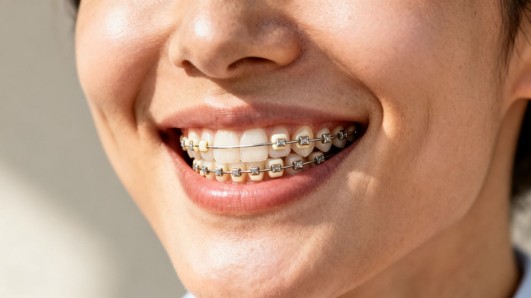
Patients at Tendler Orthodontics often ask whether ceramic or metal brackets make more sense for their treatment. The comparison is usually less about whether braces work and more about how they fit your appearance, budget, and treatment needs, since both use brackets bonded to the teeth and an archwire to guide teeth gradually into better alignment.
Ceramic Braces vs. Metal Braces: What's the Difference?
The main visual difference is simple: ceramic brackets are clear or tooth-colored, while metal brackets are silver and much easier to see. Ceramic braces are designed to blend with the natural color of your teeth, which can make them appealing to adults, older teens, or anyone who would rather keep orthodontic treatment quieter in photos and conversations. Metal braces make no attempt to disappear, but their familiar design is practical and suitable for many types of alignment concerns. Our LightForce custom clear braces are one option worth asking about if a discreet appearance is a priority.
Ceramic Braces Pros and Cons
The biggest advantage of ceramic braces is their subtle appearance, since their brackets can blend with enamel and are generally less noticeable than traditional metal brackets. They are not completely invisible, though, since the archwire and elastic ties may still be visible, and they can be more vulnerable to cracking or chipping than metal brackets, particularly with hard foods or heavy pressure.
There is also a maintenance tradeoff. The ceramic material itself does not usually change color, but clear or light-colored elastic ties can pick up stains from foods and drinks. In practical terms, the tradeoff comes down to a discreet look in exchange for a higher price and a little more care.
Metal Braces Pros and Cons
Metal braces remain a straightforward choice because stainless-steel silver braces are strong and easy to see during treatment. Their visibility is the main drawback for patients who feel self-conscious, though some patients enjoy choosing colored elastic ties as part of their personal style.
Durability is one of the strongest arguments for metal brackets, since they are generally better equipped to handle demanding tooth movements and everyday wear. They are also often less expensive than ceramic braces, though the final cost depends on the orthodontic office, treatment length, and complexity of the case.
Ceramic Braces Cost vs. Metal
| Cost Consideration | Ceramic Braces | Metal Braces |
|---|---|---|
| Bracket material | Clear or tooth-colored | Stainless steel |
| Typical price position | Often higher | Often lower |
| Maintenance concern | More care may be needed | Usually more forgiving |
| Payment comparison | Ask about the full treatment fee | Ask about the full treatment fee |
Ask whether a quoted fee includes consultations, adjustments, emergency visits, removal, and retainers, since a lower initial estimate may not mean a lower overall cost if important services are billed separately.
Do Ceramic Braces Stain?
The brackets themselves are generally made to stay clear or tooth-colored, but the small elastic ties around them can discolor from coffee, tea, tomato-based foods, curry, and tobacco. Your orthodontist may replace those ties at adjustment visits, but daily habits still affect how the braces look between appointments. Following the brushing and flossing guidance you're given can help keep both your smile and your braces looking cleaner.
Which Option Is More Durable?
Metal braces are generally more durable than ceramic braces and can tolerate more force, which may make them preferable when treatment involves significant movement. Durability also depends on behavior: biting into ice, hard candy, or popcorn kernels can damage either type of appliance. A broken bracket does not necessarily derail treatment, but it can require an extra appointment and sometimes extend the schedule.
How to Choose the Right Braces for You
Start with the priorities that matter most in daily life. If keeping treatment discreet is a major concern, ceramic brackets may feel like the natural choice; if durability, price, or a broad margin for everyday wear matters more, metal braces may be more appealing. The American Dental Association's MouthHealthy resource on orthodontics notes that orthodontists today treat patients of any age, so the right choice also depends on your lifestyle and treatment goals, not just your age.
Before deciding, ask which material suits the movements your teeth need, what the complete fee includes, and what happens if a bracket breaks. Our adult braces patients in particular often weigh appearance heavily in this decision.
Conclusion
Ceramic and metal braces can both guide teeth into a healthier, more aligned position, but they offer different compromises: ceramic braces are less noticeable and often more expensive, while metal braces are typically stronger and more budget-friendly. Discuss your bite, habits, budget, and appearance preferences with our team before choosing, or contact us to schedule a consultation.
Frequently Asked Questions
Are ceramic braces as effective as metal braces?
Ceramic braces can be effective for many orthodontic cases, but suitability depends on the type and complexity of tooth movement required.
Are ceramic braces more expensive than metal braces?
They often cost more, although fees vary by provider, location, and case complexity. Request a complete written estimate that includes retainers and possible repairs.
Do ceramic braces stain?
The brackets themselves are generally designed to remain clear or tooth-colored, but the elastic ties can discolor if not cleaned and replaced regularly.
Which braces are stronger?
Metal braces are generally more durable and less likely to chip, though ceramic braces can still work well with careful eating and handling.
How do I choose between ceramic and metal braces?
Consider appearance, cost, durability, cleaning habits, and the movements your treatment requires, then discuss those priorities at a consultation.
About the Author
Tendler Orthodontics is located at 199 West Palmetto Park Road, Suite D, Boca Raton, FL 33432. The practice is led by Dr. Minelle Tendler, DMD, an Invisalign Platinum Provider who is board eligible for the American Board of Orthodontists, serving patients throughout Boca Raton and the surrounding Palm Beach County communities.
Disclaimer
The information provided in this article is for educational purposes only and does not constitute professional orthodontic advice, diagnosis, or treatment recommendations. Which braces are appropriate for you can only be determined through an in-person evaluation. Always seek the advice of a qualified orthodontist with any questions regarding your treatment.
Blog Post Author

Contributed by DentalROI
DentalROI provides relevant dental content to help providers educate patients. The statements, services, and products referenced in this article have not been evaluated by the Food and Drug Administration, and they are not intended as a substitute for professional medical advice, diagnosis, or treatment. Always seek the advice of your dental provider with any questions or issues you may have. Specific recommendations may vary in different circumstances, so individual consultation is important.