What Is the Difference Between an Overbite and an Overjet?
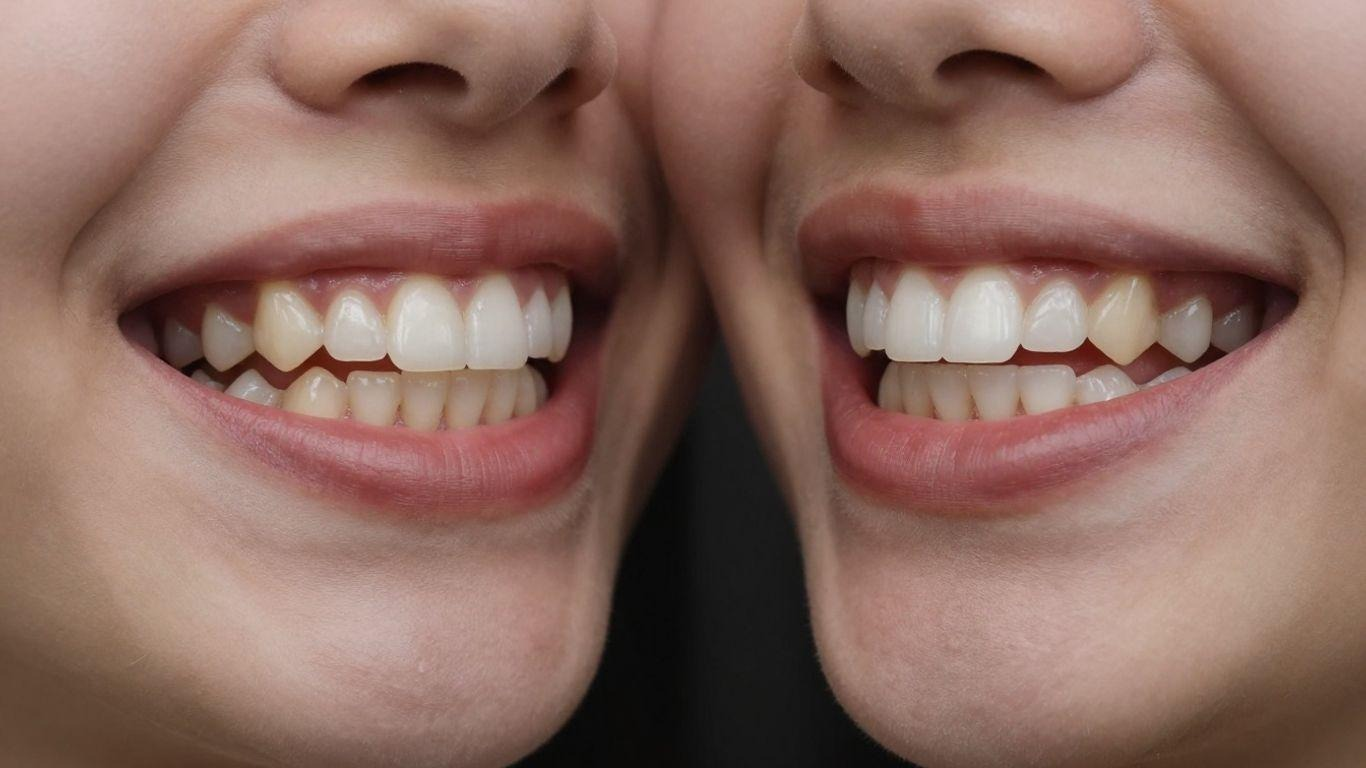
Okay, so you've heard the terms "overbite" and "overjet" thrown around, maybe by your dentist or even just in casual conversation. They sound pretty similar, right? Both involve your top teeth doing their own thing relative to your bottom teeth. But here's the scoop: they're actually two different kinds of tooth trouble. Understanding the difference between overbite and overjet is key to knowing what's going on in your mouth.
Can a person have both an overbite and an overjet at the same time?
Yep, absolutely! It's totally possible to have both an overbite and an overjet going on simultaneously. Think of it like this: an overjet is about how far forward your top teeth stick out horizontally, and an overbite is about how much your top teeth overlap your bottom teeth vertically. You can have teeth that stick out and overlap too much. It's like a double whammy of misalignment. So, while they're distinct issues, they can definitely show up together, making things a bit more complex.
So, what exactly is an overjet vs overbite in teeth? Let's break it down.
An overjet is when your upper front teeth jut out horizontally, further than they should, past your lower front teeth. It's often what people mean when they talk about "buck teeth." There's a normal amount of protrusion, usually around 2 millimeters, but when it's more than that, it's considered an overjet.
An overbite, on the other hand, is about the vertical overlap. It's when your upper front teeth cover too much of your lower front teeth. A little bit of overlap is normal, but if your top teeth are covering more than 30% of your bottom teeth, that's an overbite, sometimes called a "deep bite."
Here's a quick way to visualize the difference:
- Overjet: Think horizontal. Your top teeth are sticking out forward.
- Overbite: Think vertical. Your top teeth are overlapping downward too much.
It's easy to get these two mixed up because both involve the upper teeth sitting in front of or over the lower teeth. The main distinction really comes down to the direction of that misalignment – horizontal for overjet, vertical for overbite.
Overbite vs Overjet — Comparison Explained Simply
So, we've talked about what overbites and overjets are individually. Now, let's break down the overbite vs overjet comparison explained simply. It can get a little confusing because both involve your upper teeth sitting in front of your lower teeth, but the way they do it is different. Think of it like this: an overjet is more about how far forward your top teeth stick out, while an overbite is about how much your top teeth overlap your bottom teeth.
Which one is more common and which causes more dental problems?
It's a good question, and honestly, both can pop up pretty often. While a slight overbite is totally normal for most people, a significant overbite or any noticeable overjet can lead to issues. It's not really about which one is more common, but rather the degree of the misalignment. A big overjet can make your front teeth more vulnerable to chips and breaks, and a deep overbite can sometimes lead to jaw pain or wear and tear on your teeth over time. It really depends on the specifics of your bite.
Here's a quick rundown:
- Overjet: This is when your upper front teeth jut out horizontally past your lower front teeth. It's often called "buck teeth." A little bit is normal, but when it's more than a couple of millimeters, it's considered an overjet.
- Overbite: This is a vertical issue. It's when your upper front teeth overlap your lower front teeth more than they should. A small overlap is fine, but if your top teeth cover more than 30% of your bottom teeth, that's an overbite, sometimes called a "deep bite."
It's super common for people to have both an overjet and an overbite at the same time. Your teeth might stick out a bit and overlap too much. Orthodontists are used to seeing this combo and have ways to fix it.
It's tough to say definitively which one causes more problems because it really varies from person to person. However, both can lead to:
- Difficulty chewing or biting food properly.
- Increased risk of chipping or breaking front teeth (especially with an overjet).
- Jaw pain or discomfort.
- Speech impediments in some cases.
- Uneven wear on your teeth over time (more common with overbites).
So, while they're different, both conditions are worth getting checked out by a dentist or orthodontist if they're significant.
What Is an Overjet vs Overbite in Teeth — Clear Definition
Okay, so you've heard the terms 'overbite' and 'overjet' thrown around, and maybe you've even used them interchangeably. Totally understandable, they sound pretty similar, right? But here's the deal: they're actually two different ways your teeth can be a little out of whack. Think of it like this: both involve your top teeth sitting in front of your bottom teeth, but how they do it is the key difference.
What's an Overjet?
An overjet is basically when your top front teeth stick out way too far forward. It's that horizontal kind of misalignment. Imagine your top teeth are like a little shelf that extends too far past the edge of your bottom teeth. Sometimes people call this 'buck teeth,' and it happens when the upper teeth protrude outward, creating a gap between the front surfaces of your top and bottom teeth when your mouth is closed. A little bit of this is totally normal – most people have their top teeth stick out maybe 2 millimeters past their bottom teeth. But when it's more than that, it's considered an overjet.
What's an Overbite?
Now, an overbite is more about the vertical overlap. This is when your upper front teeth cover too much of your lower front teeth when you bite down. It's like your top teeth are giving your bottom teeth a really big hug, maybe a bit too tight. A small overlap is normal, usually around 2 to 4 millimeters. But if your top teeth are covering more than 30% of your lower teeth, that's when it's considered a significant overbite, sometimes called a 'deep bite' or 'closed bite.'
How Does Each Condition Affect Eating, Speaking, and Appearance?
These aren't just cosmetic issues; they can actually mess with how you do everyday things.
- Eating: With a significant overjet, biting into certain foods can be tricky. You might find yourself having to cut things into smaller pieces or using your molars more than your front teeth. An overbite can also make biting difficult, and sometimes it leads to uneven wear on your teeth because they aren't meeting properly.
- Speaking: While not everyone notices a difference, some people with pronounced overjets or overbites might have a slight lisp or difficulty pronouncing certain sounds, especially 's' and 'th' sounds. It's all about how the air flows when you talk.
- Appearance: This is often the most noticeable part. An overjet can give the appearance of protruding front teeth, which some people feel affects their smile. An overbite, especially a deep one, can sometimes make the lower jaw look like it's receding or make the chin less prominent, changing the overall facial profile.
It's pretty common for people to have a bit of both an overjet and an overbite. The way your teeth are aligned is complex, and sometimes one issue can contribute to or coexist with the other. Don't worry, though, because orthodontists are pretty good at figuring out how to fix these things.
How Overbite and Overjet Are Treated Differently
So, we've talked about what overbites and overjets are, and how they're different. Now, let's get into how doctors actually fix them. The way they go about it can be pretty different depending on which issue you've got, or if you've got a bit of both.
Does Invisalign Work for Both Overbite and Overjet Correction?
This is a big question for a lot of people! The short answer is: sometimes. Both braces and clear aligners like Invisalign can tackle overbites and overjets, but it really depends on how severe things are.
- For Overjets: Invisalign can be a great option, especially for milder cases. They use clear aligners to gradually move your teeth into the right spot. Sometimes, they'll add special elastics to help pull the upper teeth back and get them aligned with the lower ones. It's all about applying steady pressure.
- For Overbites: Invisalign can also work here. They might adjust the aligners to help intrude (push up) the front teeth or extrude (pull down) the back teeth to correct the deep vertical overlap. Again, elastics are often part of the plan to help get that bite just right.
- When Both Are Present: If you have both an overjet and an overbite, treatment can get a bit more complex. You might need a combination of techniques. Sometimes, braces are preferred for more complicated bite issues because they offer more control. However, many people with combined issues can still be treated effectively with Invisalign, often with the help of those little elastics.
The key takeaway is that while both methods can work, the specific approach and tools used will be tailored to your unique situation.
It's important to remember that treatment plans are super individual. What works for one person might not be the best fit for another. Your orthodontist will look at your specific bite, jaw structure, and overall dental health to figure out the best path forward.
Sometimes, especially with really significant jaw discrepancies that cause these bite problems, surgery might be considered alongside orthodontic treatment. This is usually for the most complex cases where moving teeth alone won't achieve the desired result. But for most people, braces or Invisalign are the go-to solutions. The goal is always to get your teeth biting together properly and looking great, too!
Overbite and Overjet Diagnosis and Treatment — What to Expect
So, you've been told you or your kid might have an overbite or an overjet. What happens next? Well, the first step is usually a chat with an orthodontist. They're the pros when it comes to figuring out how your teeth line up.
The orthodontist will take a good look at your bite, usually starting around age 7. This is a good time because a lot of permanent teeth are coming in, and they can get a sense of how things are developing. They'll probably take some X-rays and maybe even some 3D scans to get a really clear picture of what's going on with your teeth and jaw.
Here’s a general idea of what the diagnosis and treatment process might look like:
- Initial Consultation: This is where you meet the orthodontist, discuss any concerns, and they do a preliminary check of your teeth and bite. They'll explain if there's an overbite, an overjet, or both.
- Diagnostic Records: This usually involves taking photos of your face and teeth, dental impressions (or digital scans), and X-rays. These records help the orthodontist create a personalized treatment plan.
- Treatment Planning: Based on the records, the orthodontist will figure out the best way to fix the issue. This includes deciding on the type of braces or aligners, how long treatment might take, and what the expected results are.
- Treatment Phase: This is the active part where you wear braces or aligners. For overbite overjet diagnosis and treatment, this could involve different types of appliances depending on what's needed.
- Retention: Once the main treatment is done, you'll likely need to wear retainers to keep your teeth in their new positions. This is super important to make sure the hard work pays off long-term.
It's worth noting that while treatment is often easier and quicker when started at a younger age, adults can absolutely get their bites corrected too. It might just take a bit longer or require different approaches.
Sometimes, the orthodontist might use a special tool called a cephalometric X-ray. This is a side view X-ray of your head that helps them measure the relationship between your jaw and your skull. It's pretty detailed and gives them a lot of information about the skeletal aspect of your bite problem, which is key for planning the best treatment for your specific overbite or overjet situation.
Wrapping It Up
So, while overbites and overjets might sound alike, they're actually different ways your teeth can be a bit out of line. An overjet is when your top front teeth stick out too far forward, kind of like buck teeth. An overbite is when your top teeth overlap your bottom teeth way too much, like a deep bite. The good news is, whether you have one or both, there are ways to fix them, usually with braces or clear aligners like Invisalign. Talking to your dentist or an orthodontist is the best first step to figure out what's going on and get your smile looking and feeling its best.
Frequently Asked Questions
What's the main difference between an overbite and an overjet?
Think of it like this: an overjet is when your top front teeth stick out too far forward, like they're leaning out. An overbite is when your top teeth cover too much of your bottom teeth when you bite down, like they're overlapping too much vertically.
Can you have both an overbite and an overjet at the same time?
Yep, you totally can! It's pretty common for people to have a mix of both issues. Your teeth might stick out a bit and also overlap too much. It just means your orthodontist has a bit more to work with when planning your treatment.
Which one is more common, overbite or overjet?
Overbites are generally more common than overjets. Most people have a slight overbite, which is totally normal. It's when that overlap gets too big that it becomes a problem. Overjets, where the teeth stick out, are also seen quite a bit.
How do overbites and overjets affect eating and talking?
When your teeth aren't lined up right, it can make chewing tougher. You might have trouble biting into certain foods or feel like your bite isn't working right. Talking can also be a little different, sometimes causing a slight lisp or making certain sounds harder to make clearly.
Does Invisalign work for fixing overbites and overjets?
For many people, yes! Invisalign and other clear aligners can be really effective for fixing mild to moderate overjets and overbites. Sometimes, especially for bigger problems, traditional braces might be needed, or maybe a combination of treatments.
When should a child see a dentist about an overbite or overjet?
It's a good idea for kids to have their first dental check-up around age 7. By then, their permanent teeth are starting to come in, and the dentist can spot any developing bite issues. Catching problems early often makes treatment easier down the road.
Blog Post Author

Contributed by DentalROI
DentalROI provides relevant dental content to help providers educate patients. The statements, services, and products referenced in this article have not been evaluated by the Food and Drug Administration, and they are not intended as a substitute for professional medical advice, diagnosis, or treatment. Always seek the advice of your dental provider with any questions or issues you may have. Specific recommendations may vary in different circumstances, so individual consultation is important.