Do Braces Hurt When You First Get Them
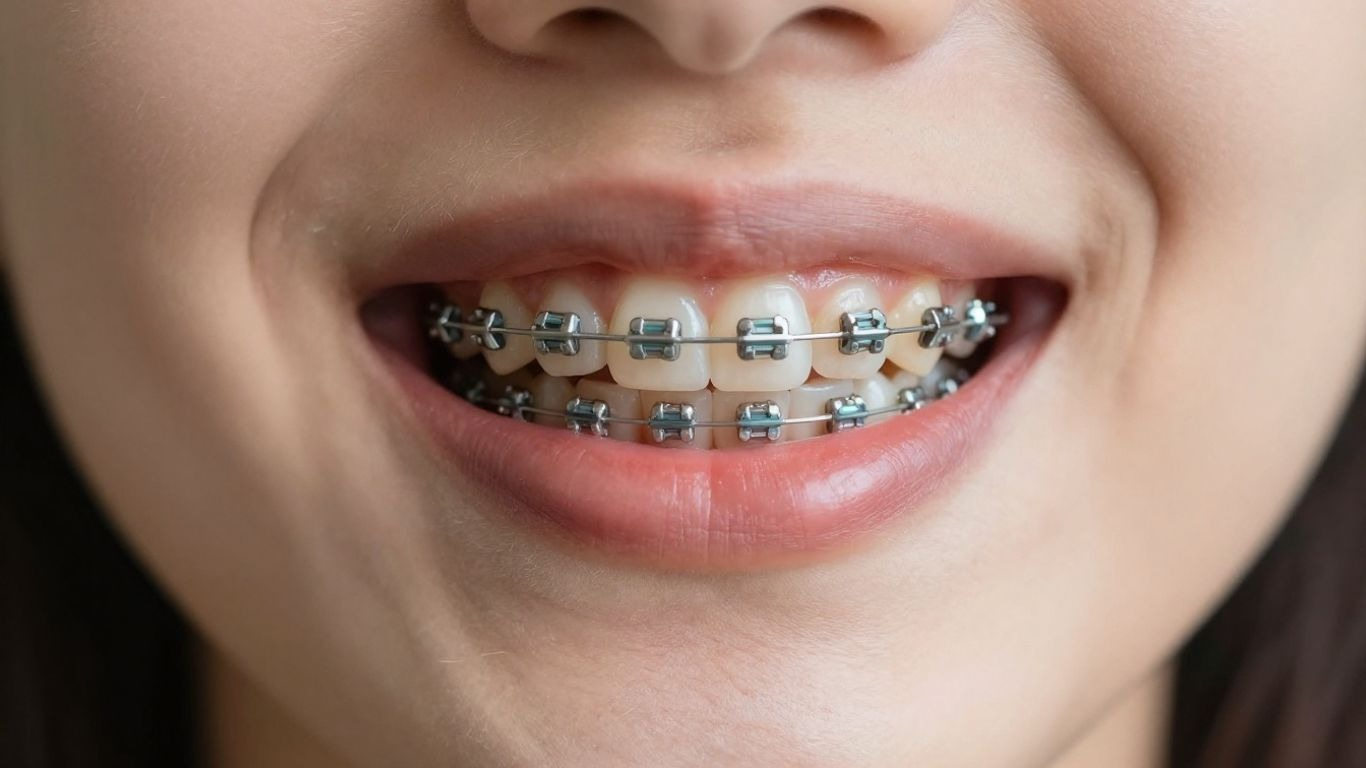
Getting braces is a big step toward a straighter smile, but it's totally normal to wonder about the pain factor. You're probably asking yourself, 'Do braces hurt when you first get them?' The truth is, while you might feel some discomfort, it's usually not severe and it doesn't last long. Your mouth just needs a little time to get used to the new hardware. Let's break down what to expect in those first few days and weeks.
Key Takeaways
- Putting braces on doesn't hurt, but you'll likely feel some soreness in your teeth and gums afterward as they start to adjust.
- The discomfort usually feels like a dull ache or pressure, not sharp pain, and it typically lasts for a few days.
- Eating soft foods, taking over-the-counter pain relievers, and using a cold compress can help manage any discomfort.
- Irritation to your lips, cheeks, or gums from the brackets and wires is common initially but usually fades as your mouth adapts.
- Most people get used to their braces within a few weeks, and any lingering discomfort is generally mild and temporary.
Do Braces Hurt When You First Get Them?
So, you're wondering, do braces hurt when you first get them? It's a super common question, and honestly, the answer is a bit of a "yes, but...". Most people don't feel pain the exact moment the orthodontist is putting them on. The procedure itself is usually painless. They clean your teeth, put on a special glue, attach the brackets, and then thread the wire through. You might feel some pressure, and that glue doesn't taste great, but actual pain? Not really. The discomfort usually kicks in a few hours later, or even the next day.
What does it feel like the moment braces are put on?
When the braces are actually being placed on your teeth, it's more about sensations than pain. You'll feel the dentist cleaning and drying your teeth, then the application of the bonding agent – which, yeah, tastes a bit weird, but it's harmless. Then comes the placement of the brackets and the archwire. You might feel a bit of pressure as they position everything, and maybe a slight tugging sensation. Some people describe it as a weird, foreign feeling in their mouth, but it's generally not painful. The real adjustment period starts after you leave the office.
It's kind of like getting a new pair of shoes. When you first try them on, they might feel a little stiff or awkward, but you don't necessarily have blisters right away. The real test comes when you start walking around in them.
Here's a quick rundown of what happens during the fitting:
- Cleaning and Drying: Your teeth are prepped so the glue sticks well.
- Bonding: A special dental glue is applied to each tooth.
- Bracket Placement: The little brackets are carefully attached to the glue.
- Archwire Insertion: The wire that guides tooth movement is threaded through the brackets.
- Securing: Tiny elastic bands (often called "ligatures") hold the wire in place.
Throughout this, you're mostly just aware of the tools and the pressure, not sharp pain. The real story of braces pain begins once the pressure starts doing its job.
How Much Do Braces Hurt When You First Get Them?
So, you're wondering about the pain factor when getting braces, right? It's a super common question, and honestly, the answer is: it's usually not as bad as you might think. Most people describe the feeling as more of a dull ache or pressure rather than sharp, stabbing pain. Think of it like your teeth are getting a gentle, persistent nudge to start moving. This pressure is what kicks off the whole process of straightening your smile.
Is the pain mild discomfort or something more intense?
For the most part, the discomfort you feel when you first get braces is pretty mild. It's your teeth and gums getting used to something new. The brackets and wires are applying a steady force, and your mouth needs a little time to adjust. This can feel like a general soreness or tenderness, especially when you bite down. It's definitely not usually an "ouch, I can't handle this" kind of pain. Most folks find it's more of an "oh, that's a weird feeling" situation.
- Initial Pressure: Expect a feeling of pressure on your teeth right after they're put on.
- Soreness: Your teeth and jaw might feel a bit sore for a few days.
- Cheek/Lip Rubbing: The hardware can sometimes rub against the inside of your mouth, causing minor irritation.
The good news is that this initial discomfort is temporary. Your mouth is surprisingly adaptable and usually gets used to the braces within the first week or so. Remember, this feeling is a sign that the braces are doing their job!
It's also worth noting that how much you feel it can depend on your personal pain tolerance. Some people are more sensitive than others. But even for those who feel it more, it's rare for the pain to be severe or last a long time. The real question isn't just about how much do braces hurt when you first get them, but also how long do braces hurt after getting them. Thankfully, the intense part usually fades quickly.
Braces Pain First Week — What to Expect Day by Day
So, you've got your new braces on. Awesome! Now, let's talk about what the first week with these shiny new additions to your smile might feel like. It's not usually a "pain" kind of deal, but more of a "whoa, my mouth feels weird" situation. The real adjustment happens after the initial fitting.
Day 1: The Initial Sensation
Right after the orthodontist finishes, you probably won't feel much. It's like your mouth is still processing the new hardware. But give it a few hours, and that's when things start to shift. You might notice a dull ache or a feeling of pressure. It's not sharp, but it's definitely there. Your teeth might feel a bit loose, which is actually a good sign that they're starting to move. Eating right after your appointment is a good idea, as your teeth tend to get sorer later on. Think soft foods for dinner – pasta, mashed potatoes, or some soup are your friends.
Days 2 & 3: The Peak of Discomfort
This is often when the braces pain first week is most noticeable. That dull ache can feel more intense, especially when you bite down. It's your teeth getting used to being nudged into their new positions. Keep up with soft foods like oatmeal, scrambled eggs, or smoothies. If you're taking over-the-counter pain relievers, this is probably when you'll need them most, but always follow the dosage instructions. You might also find that the wires or brackets rub a bit on the inside of your cheeks or lips. A little orthodontic wax can be a lifesaver here.
Days 4 & 5: Starting to Settle In
By the middle of the week, things usually start to calm down. The intense pressure and soreness should begin to fade. You might still feel some sensitivity, but it's generally much more manageable. You'll likely find yourself getting used to the feeling of the braces in your mouth. Eating becomes a bit easier, and you might not need pain medication anymore. Your mouth is starting to adapt!
The Rest of the Week: Getting Comfortable
Towards the end of the first week, most people find that the significant discomfort has passed. You'll be more accustomed to how the braces feel and how to eat with them. Any irritation on your cheeks or lips should be less of an issue, especially if you've been using wax. It's a gradual process, and by the time you hit day seven, you'll probably feel pretty normal, just with some new metal in your mouth.
Remember, everyone's experience is a little different. Some people feel more soreness than others, and it can depend on how much your teeth need to move. The key is to be patient with yourself and your mouth as it adjusts. Stick to soft foods, stay hydrated, and don't hesitate to use that orthodontic wax if you need it. The initial discomfort is temporary, and soon you'll be well on your way to a straighter smile.
Do Braces Hurt the First Day More Than the Rest?
So, you're wondering about that initial period after getting your braces on. It's a common question: do braces hurt the first day more than the rest? The short answer is that the actual placement of braces usually doesn't hurt at all. You might feel some pressure, and maybe a bit of weirdness as the brackets and wires are attached, but it's not typically painful. The discomfort usually kicks in a few hours after the appointment, or even the next day.
How Can You Manage Braces Pain in the First Few Days?
That first week can feel a little… tender. Your teeth are starting to get nudged into their new positions, and your mouth is getting used to all this new hardware. It’s not usually a sharp, stabbing pain, but more of a dull ache or a feeling of pressure. Here’s how to make those first few days a bit easier:
- Stock up on soft foods: Think smoothies, yogurt, mashed potatoes, soup, and scrambled eggs. Anything that doesn't require a lot of chewing will be your best friend.
- Over-the-counter pain relief: Taking something like ibuprofen or acetaminophen before the soreness really sets in can make a big difference. Just follow the dosage instructions, of course.
- Cold is your friend: Sipping on cold water or even enjoying a popsicle can help numb any tenderness.
- Orthodontic wax: If a bracket or wire is rubbing your cheek or lip raw, a little bit of orthodontic wax can create a smooth barrier.
The initial discomfort is your body adjusting to the gentle, consistent pressure braces apply. It's a sign that things are moving in the right direction, even if it feels a bit weird.
It's also a good idea to eat something right after your appointment. Since the soreness often doesn't hit until later, getting some food in beforehand means you won't be trying to eat a meal when your teeth are already feeling sensitive.
How Long Do Braces Hurt After Getting Them — and When Does It Stop?
So, you've got your braces on, and you're wondering how long this whole 'ouch' phase is going to last. It's a super common question, and the honest answer is: it varies. Most people find that the initial ouchy feeling, that dull ache and general tenderness, really starts to fade after about three to five days. By the end of the first week, you're usually feeling pretty normal again, or at least much better than day one.
Think of it like this:
- Day 1-2: This is typically when the soreness is at its peak. Your teeth might feel a bit loose, and chewing anything beyond super soft foods can be a challenge. It's that constant, dull ache that makes you aware of every single tooth.
- Day 3-5: You'll likely notice a significant improvement. The intense soreness starts to ease up, and you can probably manage softer, but not liquid, foods. That feeling of looseness should also lessen.
- Day 5 onwards: For most people, by this point, the significant pain is gone. You might still feel occasional twinges, especially after an adjustment, but you should be able to eat most things and go about your day without constant discomfort.
It's important to remember that braces work by applying gentle, consistent pressure to move your teeth. This process involves your jawbone and ligaments adjusting, which is what causes the soreness. It's a sign that things are happening, even if it doesn't feel great at the time.
The good news is that this initial period of discomfort is temporary. Your mouth and teeth are just getting used to the new hardware. As your teeth start to shift into their new positions, the pressure points change, and the soreness usually subsides.
After the first week or so, you might still experience some sensitivity, especially after your regular adjustment appointments. These appointments involve tightening the wires or changing them to guide your teeth further, and that can bring back a milder version of that initial soreness for a day or two. But generally, the intense pain you feel right after getting braces on doesn't last long at all. Most people adapt pretty quickly, and the discomfort becomes a minor blip in the journey to a straighter smile.
So, Do Braces Hurt? The Short Answer.
Okay, so getting braces isn't exactly a walk in the park, but it's usually not a big pain-fest either. Most people feel some soreness or pressure for a few days after getting them on, and then again after adjustments. Think of it like your teeth are getting a good workout. Luckily, this feeling is pretty temporary and you can totally manage it with soft foods and maybe some over-the-counter pain meds. In no time, you'll get used to them, and before you know it, you'll be well on your way to that awesome smile you've been wanting.
Frequently Asked Questions
Will getting braces feel painful?
When braces are first put on, you probably won't feel any pain. The process itself involves cleaning your teeth, applying a special glue, and then placing the brackets and wires. It might feel a bit strange, but it's not typically painful. The soreness usually starts a few hours after, as your teeth and gums begin to adjust to the pressure.
How much do braces hurt after they're put on?
The discomfort after getting braces is usually mild. Think of it more as a dull ache or pressure rather than sharp pain. This feeling is your teeth starting to move into their new positions, which is exactly what the braces are supposed to do. Most people find it manageable, especially with over-the-counter pain relievers.
What should I expect during the first week with braces?
Your first week with braces can involve some tenderness and sensitivity in your teeth and jaws. Your lips, cheeks, and tongue might also feel a bit irritated as they get used to the brackets and wires. Eating softer foods and taking pain relievers can really help during this adjustment period. By the end of the week, you should start feeling more comfortable.
Does the pain get worse after the first day?
The first day or two after getting braces is often when the soreness is most noticeable. This is because your teeth are starting to shift. After that initial period, the discomfort usually begins to lessen. While adjustments later on can cause temporary soreness, it's typically not worse than the initial feeling.
How can I make the pain from braces feel better?
There are several ways to ease the discomfort. Eating soft foods like yogurt, mashed potatoes, or smoothies helps a lot. Over-the-counter pain relievers such as ibuprofen or acetaminophen can be taken as directed. Sometimes, a cold compress on the outside of your cheek can also provide relief. Your orthodontist can also provide special wax to cover any brackets or wires that are rubbing.
When does the pain from braces finally stop?
The most significant discomfort usually fades within the first few days to a week after getting braces. You'll likely get used to the feeling over the next month. While you might feel some mild soreness after each adjustment appointment, it typically only lasts for a day or two. Intense or long-lasting pain is uncommon and should be checked by your orthodontist.
Blog Post Author

Contributed by DentalROI
DentalROI provides relevant dental content to help providers educate patients. The statements, services, and products referenced in this article have not been evaluated by the Food and Drug Administration, and they are not intended as a substitute for professional medical advice, diagnosis, or treatment. Always seek the advice of your dental provider with any questions or issues you may have. Specific recommendations may vary in different circumstances, so individual consultation is important.