Bone Graft Failure: Warning Signs and What to Do
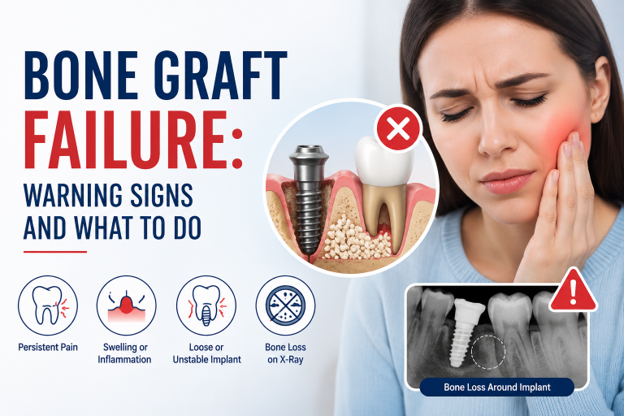
Most bone grafts placed ahead of a dental implant or orthodontic treatment heal without incident, but knowing what a failing graft can look like helps you seek care early rather than waiting until a problem is harder to treat. At Tendler Orthodontics, patients who need bone grafting as part of a broader treatment plan work directly with our in-house oral and maxillofacial surgeon, so questions about graft healing come up often.
What Is a Bone Graft and Why Is It Used?
A bone graft adds material to an area where the jawbone is too thin, soft, or shallow to support a dental implant or to stabilize teeth affected by significant bone loss. The graft material, whether from your own body, a donor source, or a synthetic substitute, acts as a scaffold that your own bone gradually grows into and replaces over several months.
Bone grafting is often discussed alongside impacted and missing teeth care, since adequate bone volume affects whether a tooth can be properly positioned or replaced. Because the graft needs time to integrate, surgeons monitor healing closely in the weeks after placement.
What Does Bone Graft Failure Mean?
Bone graft failure happens when the grafted material does not integrate with the surrounding bone as expected, or when infection, movement, or inadequate blood supply prevents new bone from forming properly. Failure can be partial, where some healing occurs but not enough to support the planned treatment, or more complete, where the graft does not take at all.
Graft failure is not extremely common, but it is a recognized risk of any bone grafting procedure, and certain factors, including smoking, uncontrolled diabetes, poor oral hygiene, and infection at the surgical site, can raise that risk.
Signs of Bone Graft Failure
The most reliable way to catch a failing graft is through your surgeon's scheduled follow-up visits and imaging, but there are symptoms that warrant a call to the office between appointments:
| Symptom | Why It Matters |
|---|---|
| Increasing pain days after surgery | Pain that grows instead of improving can signal infection or graft movement |
| Persistent swelling or redness | Swelling that spreads or worsens past the first few days is not typical of normal healing |
| Visible graft material or exposed area | May indicate the graft site has not closed or sealed properly |
| Foul taste, odor, or discharge | Often associated with infection at the graft site |
| Fever | Can indicate a spreading infection that needs prompt attention |
Mild swelling, tenderness, and bruising are expected in the days immediately after surgery. The distinction that matters most is direction: symptoms that steadily improve are usually normal, while symptoms that plateau or worsen deserve a call to your surgeon.
What Causes a Bone Graft to Fail?
Several factors can interfere with graft integration. Infection introduced during or after surgery is one of the most common causes, since bacteria can prevent the graft from properly fusing with existing bone. Insufficient blood supply to the graft site, movement of the graft material before it stabilizes, and inadequate oral hygiene during healing can all contribute as well.
Patient health factors play a role too. Smoking restricts blood flow and significantly slows healing, and conditions such as uncontrolled diabetes can impair the body's ability to form new bone. The American Dental Association's MouthHealthy resource on dental implants notes that chronic illnesses such as diabetes may interfere with healing after implant-related surgery, and that tobacco use can slow healing as well, which is one reason surgeons ask about these factors before recommending grafting.
What Happens If a Bone Graft Fails?
A failed graft does not necessarily mean the end of treatment. Depending on the extent of the failure, your surgeon may recommend removing any remaining graft material, treating an underlying infection, allowing the area to heal, and then attempting the graft again once conditions are more favorable. In some cases, a different graft material or technique may be used the second time.
The most important step is early communication. Continuing forward with an implant or orthodontic plan on top of a graft that has not properly integrated can lead to further complications, so surgeons generally prefer to address a failing graft directly rather than proceed on schedule.
How to Reduce the Risk of Bone Graft Failure
While no steps can eliminate risk entirely, several habits support successful healing:
- Follow all post-surgical instructions, including any prescribed antibiotics or rinses
- Avoid smoking or using tobacco products during the healing period
- Keep the surgical area clean without disturbing it directly
- Eat soft foods and avoid pressure on the graft site as instructed
- Attend every scheduled follow-up appointment, even if you feel fine
Managing underlying health conditions, such as keeping blood sugar controlled if you have diabetes, also supports the body's ability to heal properly.
When to Contact Your Surgeon
Reach out to our office promptly if you notice pain that worsens instead of improving, swelling that spreads beyond the first few days, a fever, visible graft material, or a foul taste or odor near the surgical site. Our practice includes an in-house oral and maxillofacial surgeon, so patients who need bone grafting as part of their orthodontic or restorative plan can raise concerns quickly rather than waiting weeks for a specialist referral.
Conclusion
Bone graft failure is uncommon but recognizable, and the earlier it is identified, the more manageable it usually is to address. Watching for pain that worsens rather than improves, spreading swelling, or signs of infection, and following your surgeon's healing instructions closely, gives a graft the best chance to integrate successfully. If you have questions about a graft site that doesn't feel right, contact our Boca Raton office rather than waiting for your next scheduled visit.
Frequently Asked Questions
How common is bone graft failure?
Bone graft failure is not common, but it is a recognized risk of any grafting procedure. Certain health factors, such as smoking or uncontrolled diabetes, can increase that risk.
How long does it take to know if a bone graft failed?
Surgeons typically monitor healing over several months with follow-up visits and imaging, though warning signs like worsening pain or infection can appear much sooner.
Can a failed bone graft be redone?
Often, yes. Depending on the cause of failure, a surgeon may treat any infection, allow the area to heal, and attempt the graft again.
Does smoking affect bone graft healing?
Yes. Smoking restricts blood flow to healing tissue and can significantly slow or impair graft integration.
What should I do if I think my bone graft is failing?
Contact your surgeon's office promptly rather than waiting for your next scheduled appointment, especially if you notice worsening pain, spreading swelling, or signs of infection.
About the Author
Tendler Orthodontics is located at 199 West Palmetto Park Road, Suite D, Boca Raton, FL 33432. The practice is led by Dr. Minelle Tendler, DMD, an Invisalign Platinum Provider board eligible for the American Board of Orthodontists, alongside Dr. Alfredo Tendler, a board certified oral and maxillofacial surgeon who provides in-house extractions, bone grafting, and dental implant placement for patients throughout Boca Raton and Palm Beach County.
Disclaimer
The information provided in this article is for educational purposes only and does not constitute professional dental or surgical advice, diagnosis, or treatment recommendations. Whether a bone graft is healing properly can only be determined through an in-person evaluation by a qualified surgeon. Always contact your oral surgeon promptly with any concerns about pain, swelling, or signs of infection after surgery.
Blog Post Author

Contributed by DentalROI
DentalROI provides relevant dental content to help providers educate patients. The statements, services, and products referenced in this article have not been evaluated by the Food and Drug Administration, and they are not intended as a substitute for professional medical advice, diagnosis, or treatment. Always seek the advice of your dental provider with any questions or issues you may have. Specific recommendations may vary in different circumstances, so individual consultation is important.